Haleakalā Sunrise: Reservations, Timing, and What to Expect
How to see sunrise above the clouds at Haleakalā's 10,000-foot summit — the required reservation, what to wear, and whether sunset is the smarter call.
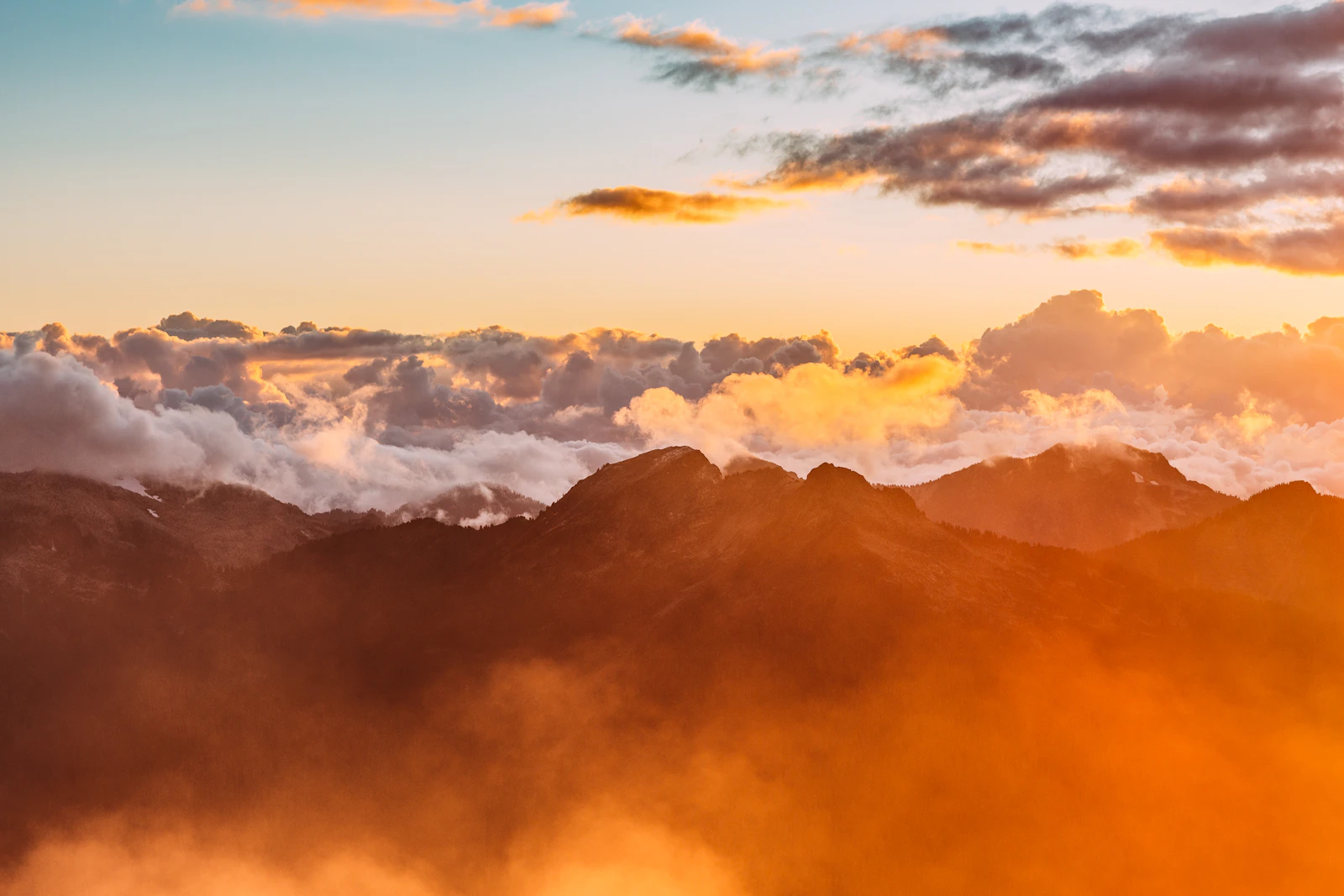
Watching the sun rise over the rim of Haleakalā — Maui’s 10,023-foot dormant volcano — is one of the island’s signature experiences. The summit sits above the cloud line, so dawn breaks over a sea of clouds in colors that don’t look real. It’s also cold, dark, early, and reservation-gated. Here’s exactly how to pull it off — and why some people should choose sunset instead.
You need a sunrise reservation
To drive into the summit district for sunrise (roughly 3 a.m.–7 a.m.), Haleakalā National Park requires a sunrise reservation that is separate from park entry. These are released on a rolling basis and sell out quickly, so book the moment your dates are set. Have your reservation and ID ready at the gate.
Reservations, release windows, and fees change. Always confirm current rules on the National Park Service Haleakalā site before relying on this.
The timing math
- Sunrise at the summit is earlier and the drive is longer than people expect.
- From the South or West Maui resorts, plan ~2 to 2.5 hours of driving plus time to park and walk to a viewpoint.
- That often means leaving your hotel around 2:30–3:30 a.m. Check the day’s exact sunrise time and work backward, padding for the winding summit road in the dark.
Staying Upcountry (Kula) the night before cuts the drive dramatically and is worth considering if sunrise is a priority.
Dress for genuine cold
This is the part visitors underestimate. Summit temperatures at dawn are often in the 30s–40s°F, sometimes near freezing, with wind. You’ll be standing still in the dark.
Bring: a real warm jacket, long pants, a hat, gloves, and a blanket. Layers you can shed as the sun warms things up. Flip-flops and a beach cover-up will make you miserable.
What it’s actually like
You’ll arrive in the dark, find a spot along the rim near the visitor center, and wait. As light builds, the crater’s cinder cones emerge and the cloud sea below turns gold and pink. A park ranger may share a Hawaiian chant; this is a sacred place to Native Hawaiians, so keep voices low and be respectful. The whole show is over within an hour, and the drive down rewards you with views you couldn’t see on the way up.
Consider sunset instead
Here’s our honest take: sunset at Haleakalā needs no reservation, is far warmer, and is nearly as spectacular — plus you can stay after dark for some of the best stargazing in the world. If you’re not a morning person or you missed the sunrise reservation window, sunset is the smarter, easier choice. Bring the same warm layers and a headlamp for the walk back.
While you’re up there
- Altitude is real at 10,000 feet — move slowly, hydrate, and skip the summit if you’ve been scuba diving in the last 24 hours.
- The Sliding Sands (Keoneheʻeheʻe) Trail descends into the crater’s otherworldly landscape; even a short way down is stunning (remember the climb back is at altitude).
- Fuel up and use the restroom before you start up — there’s nothing at the top but the experience.
Slot Haleakalā into a morning on the trip planner and keep the afternoon light — explore Upcountry or rest before your next ocean day.