First Time in Maui: An Honest Starter Guide
Everything a first-time visitor actually needs to decide: where to stay, when to come, how long to go, and what Maui is really like right now.
Maui rewards a little planning more than almost any island we know. It’s bigger than first-timers expect, the drives are longer, and the best experiences — sunrise above the clouds, a quiet snorkel bay, the right stretch of the Road to Hāna — depend on timing and reservations you’ll want to sort out before you arrive. This guide is the orientation we wish every first-timer got.
Maui in one paragraph
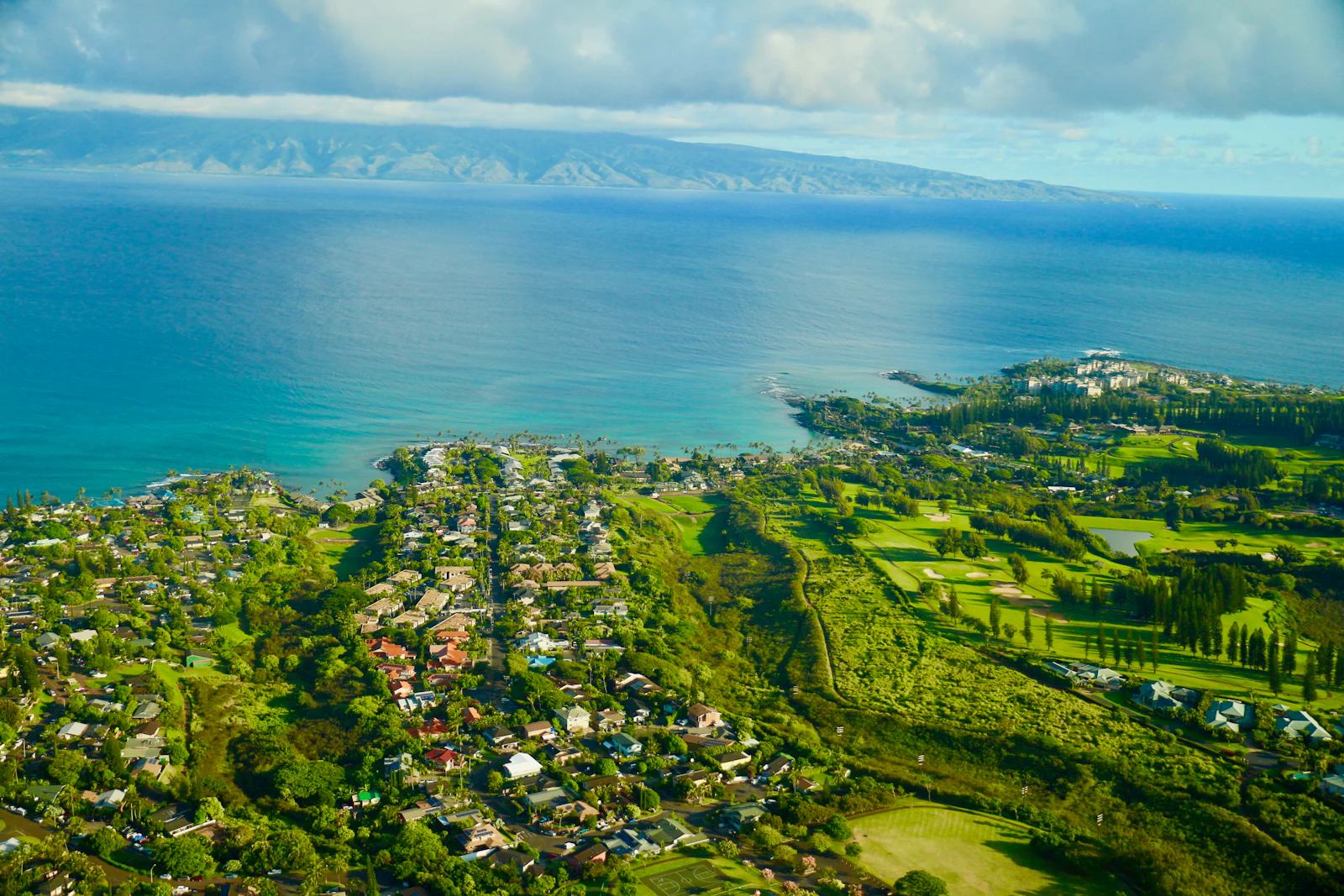
Maui is the second-largest Hawaiian island, shaped like a figure-eight: a smaller, older volcano (the West Maui Mountains) joined to the massive dormant volcano Haleakalā by a flat central isthmus. You’ll fly into Kahului (OGG) in the middle. The resorts cluster on two sunny coasts — West Maui (Kāʻanapali, Kapalua) and South Maui (Kīhei, Wailea) — while the wild, green, rainy side is the east, out toward Hāna. Almost everything you’ll want to do hangs off that geography.
How many days?
- 5–6 nights is the realistic minimum to see Maui without rushing. It gives you beach days, one Road to Hāna day, and one Haleakalā morning.
- 7–8 nights is the sweet spot. You add a weather flex day and time to actually relax.
- Under 4 nights? Pick one coast, do one big adventure, and save the rest for next time. Don’t island-hop on a short trip.
Where to stay (the most important decision)
Your base determines how much of your trip you spend in the car. The short version:
- South Maui (Kīhei / Wailea) — sunniest, driest, best beginner snorkeling, closest to Molokini tours. Our default pick for first-timers. Kīhei for value, Wailea for luxury.
- West Maui (Kāʻanapali / Kapalua / Nāpili) — classic resort strip, gorgeous sunsets, great whale watching in winter. A bit farther from the airport and Hāna.
- Upcountry, North Shore, or Hāna — wonderful for repeat visitors or a specific vibe, but not where most first-timers should base.
We go deep on this in Where to Stay in Maui — read it before you book.
A note on West Maui: the historic town of Lahaina was destroyed by wildfire in August 2023 and is a community in recovery, not a sightseeing stop. The nearby resort areas reopened and welcome visitors. Please read Visiting Maui Respectfully before your trip.
When to come
There’s no bad time, but there are tradeoffs:
- Best weather, biggest crowds & prices: mid-December–March and June–August.
- Best value & great weather: April–May and September–October (our favorite windows).
- Whale season: roughly December–April, when humpbacks fill the channel.
Full breakdown in The Best Time to Visit Maui.
The non-negotiable reservations
Maui has quietly added reservation systems to protect its most popular places. Sort these before you fly:
- Haleakalā sunrise — a national park reservation (separate from park entry) that sells out far ahead. See Haleakalā Sunrise.
- Waiʻānapanapa State Park (the black-sand beach on the Road to Hāna) — timed-entry reservation required.
- Popular snorkel and luau tours — book a week or more out in high season.
Always confirm current rules on the official park sites; these change seasonally.
Getting around
You will need a rental car — Maui’s public transit won’t cover a real trip. Pick it up at OGG and expect to use it daily. Read Getting Around Maui for the rental, driving, and gas realities (and why you should never leave valuables in the car at a trailhead).
A first-timer’s week, roughly
- Arrive, settle into your base, sunset on the beach.
- Beach + snorkel day near your base to find your feet.
- Road to Hāna — a full, slow day.
- Haleakalā sunrise (early) + Upcountry in the afternoon.
- Molokini or a turtle beach ocean day.
- Flex day — repeat your favorite, or rest.
- Slow morning, last swim, fly out.
Want to build your own version on a map? Use our interactive trip planner — pick regions, add highlights, and organize them by day.
The honest expectations
Maui is expensive, the popular spots are busy, and a real community lives here year-round. Come with patience, respect the ʻāina (land) and the people, book the reservations, and you’ll have the trip people talk about for years. Start with Where to Stay and When to Visit, then plan the days on the map.